
Professional support and maintenance for MS Dynamics

Ensure business continuity with our unique approach to the maintenance of Microsoft Dynamics AX/365. This methodology of proactive maintenance has been designed to minimise the risk of failures, and thus reducing application management costs and relieving you of frustration!
What is Microsoft Power Pages?
Microsoft Power Pages empowers organizations to create interactive web portals without extensive coding. As part of the Microsoft Power Platform, it integrates with Power Apps Portals, allowing users to design visually appealing and data-driven websites that enhance digital presence. Discover how Power Pages simplifies portal development, enhances user experiences, and streamlines processes for organizations.
What is the difference between CRM and ERP?

Discover the key distinctions between CRM (Customer Relationship Management) and ERP (Enterprise Resource Planning) systems. CRM focuses on enhancing customer interactions and optimizing sales and marketing efforts, while ERP integrates various business processes for efficient internal operations. Understand how these systems complement each other and what to consider when implementing them within your organization.
What is cloud manufacturing and what benefits does it bring to companies?

Cloud manufacturing integrates cloud computing principles into industrial production, offering manufacturers access to shared resources and digitization technologies like IoT and virtual manufacturing. This model brings numerous benefits, including reduced IT infrastructure costs, flexibility, improved product quality, data availability, and faster delivery times. It enables automatic updates, enhances mobility, strengthens security through encryption, and fosters collaboration on a global scale. Cloud manufacturing supports companies of various sizes, providing cost-effective solutions and maintaining competitiveness. It also offers agility and access to modern systems, a key attraction for new talent in the industry.
10 ERP implementation failures and how to avoid them
Discover the pitfalls of ERP implementation with our article “10 ERP Implementation Failures and How to Avoid Them.” Learn why 60% of initial ERP projects fail and strategies to ensure success, focusing on critical factors such as choosing the right partner, risk management, scalability, resource allocation, leadership commitment, and comprehensive testing. Join us as we dive into real-life examples from companies like Woolworths, Avon, and Nike to better understand how to achieve a successful ERP go-live and beyond.
The Risks of Not Implementing Transition from Dynamics AX to Dynamics 365

Continuing with Microsoft Dynamics AX 2012 R3 poses significant risks as its support has ended, leaving organizations vulnerable to security threats and lacking updates. Transitioning to Dynamics 365 offers enhanced security, better compliance, modern functionalities, and competitive advantages. Delaying or avoiding this transition can lead to increased costs, integration challenges, and missed business opportunities, making it crucial for companies to consider upgrading.
Dynamics 365 Backup Solutions: Best Practices for Implementation

Explore best practices for implementing Dynamics 365 backup solutions to safeguard vital business data in this comprehensive guide. Learn the importance of backup strategies, automated processes, and security measures. Discover real-world success stories and how partnering with a trusted Microsoft Dynamics 365 consultant, like XPLUS, can optimize your backup implementation for seamless business continuity and growth.
Keep construction projects moving as planned with D365

Well-designed process management in construction projects makes the company more flexible in the face of dynamically changing circumstances like pandemics or supply chain disruptions.
Microsoft Dynamics 365 for manufacturing
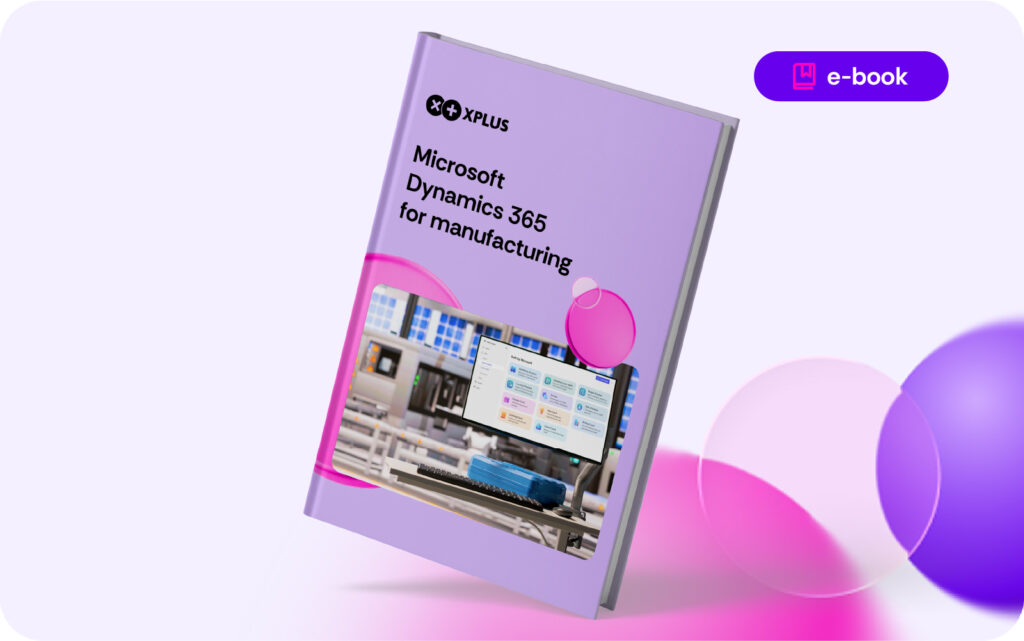
Are you looking for the perfect ERP system for your company? Or are you wondering how to use full potential of Microsoft Dynamics 365 for operations and management?
RPA (Robotic Process Automation) in construction industry

Discover how Robotic Process Automation (RPA) is revolutionizing the construction industry by automating tedious tasks, reducing human error, and improving processes. This technology not only streamlines invoicing and cost control but also enhances document management and workforce recruitment, allowing construction businesses to focus on skilled activities and increase efficiency. Explore the transformative impact of RPA and how it helps companies stay ahead by reducing labor costs and avoiding bottlenecks.